Vocabulary Lesson
German Body Vocabulary
In this short lesson, you'll master essential body vocabulary in German. After learning the words, use the flashcards or quiz to reinforce your knowledge.
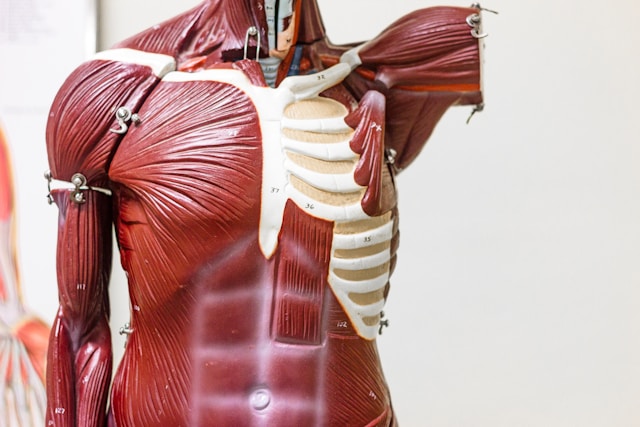
In this short lesson, you'll master essential body vocabulary in German. After learning the words, use the flashcards or quiz to reinforce your knowledge.
Start with the most common words, then expand your knowledge with intermediate and advanced vocabulary.
Review your German body vocabulary and test your knowledge with interactive practice.
Put your new body vocabulary into practice and see how many words you can remember.
Review German body vocabulary and strengthen your memory with interactive flashcards.
In proper context. With highlighted verbs and adjectives.
Essential verbs and adjectives used to describe the body and basic daily habits.
More complex body-related verbs and adjectives describing physiological actions and conditions.
Frequently asked questions about German body vocabulary, grammar structures, and usage.
Expressing bodily pain in German can be done using a few common phrasing patterns depending on the body part affected:
Unlike English, German frequently uses dative reflexive pronouns with definite articles rather than possessive adjectives when referring to one's own body parts:
Learning key verbs associated with physical actions helps expand your conversational flexibility when discussing health or movement:
German body terminology frequently forms intuitive compound nouns for clothing, objects, and professions:
While medical terms are standard across German-speaking countries, informal and colloquial vocabulary can vary regionally:
Continue expanding your German vocabulary with these related lessons.
Browse all German vocabulary lessons, quizzes, grammar guides, and learning resources.
Browse All LessonsPhoto by Alan Calvert on Unsplash