Vocabulary Lesson

Italian Drinks Vocabulary

In this short lesson, you'll master essential drinks vocabulary in Italian. After learning the words, use the flashcards or quiz to reinforce your knowledge.
A1-C1 Audio Included Quiz Flashcards
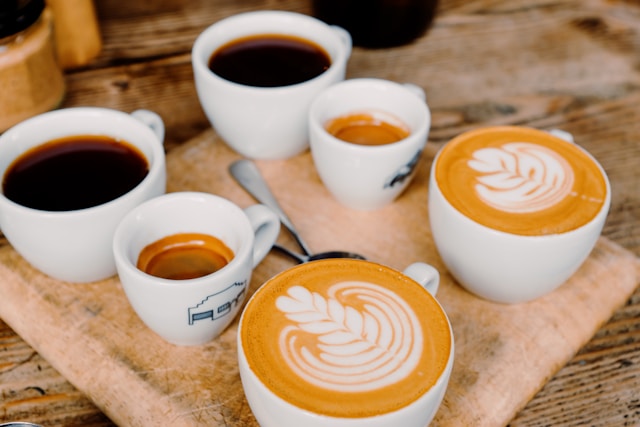
A photo of drinks

Italian Drinks Vocabulary

Start with the most common words, then expand your knowledge with intermediate and advanced vocabulary.

Beginner (A1)

  • coffee il caffè
  • macchiato il caffè macchiato
  • cappuccino il cappuccino
  • ice il ghiaccio
  • milk il latte
  • latte il latte macchiato
  • juice il succo
  • orange juice il succo d'arancia
  • grape juice il succo d'uva
  • fruit juice il succo di frutta
  • apple juice il succo di mela
  • tea il tè
  • wine il vino
  • water l'acqua
  • mineral water l'acqua minerale
  • espresso l'espresso
  • soda la bibita
  • beer la birra
  • hot chocolate la cioccolata calda
  • lemonade la limonata

Elementary (A2)

  • cocktail il cocktail
  • milkshake il milkshake
  • smoothie il frullato
  • oat milk il latte d'avena
  • almond milk il latte di mandorla
  • soy milk il latte di soia
  • tonic water l'acqua tonica
  • americano l'americano
  • energy drink la bevanda energetica
  • herbal tea la tisana
  • champagne lo champagne
  • syrup lo sciroppo
  • sparkling wine lo spumante

Intermediate & Advanced (B1-C1)

  • spirits i distillati
  • brandy il brandy
  • drip coffee il caffè a goccia
  • decaf coffee il caffè decaffeinato
  • filter coffee il caffè filtro
  • frappé coffee il caffè frappé
  • irish coffee il caffè irlandese
  • shot il cicchetto
  • gin il gin
  • rice milk il latte di riso
  • liqueur il liquore
  • mocha il mocaccino
  • rum il rum
  • cider il sidro
  • whiskey il whisky
  • bitter l'amaro
  • aperitif l'aperitivo
  • infusion l'infuso
  • sports drink la bevanda isotonica
  • tequila la tequila
  • vodka la vodka
  • port wine il Porto
  • cognac il cognac
  • digestif il digestivo
  • vermouth il vermut
  • absinthe l'assenzio
  • sherry lo sherry

Practice What You've Learned

Review your Italian drinks vocabulary and test your knowledge with interactive practice.

Ready to take the quiz?

Put your new drinks vocabulary into practice and see how many words you can remember.

Take the quiz

Practice with flashcards

Review Italian drinks vocabulary and strengthen your memory with interactive flashcards.

Open flashcards

Example Sentences

In proper context. With highlighted verbs and adjectives.

Beginner & Elementary (A1-A2)

Simple everyday sentences about drinks.

  • Io bevo un succo d'arancia a colazione. I drink an orange juice for breakfast.
  • Marco ordina un cappuccino al bar. Marco orders a cappuccino at the bar.
  • Anna preferisce il tè caldo la sera. Anna prefers hot tea in the evening.
  • Luca mescola lo zucchero nel caffè. Luca stirs the sugar into the coffee.
  • Maria compra una bottiglia d'acqua minerale. Maria buys a bottle of mineral water.
  • La limonata è molto fredda. The lemonade is very cold.
  • Preferisco la cioccolata calda in inverno. I prefer hot chocolate in winter.
  • Questo succo di mela è troppo dolce. This apple juice is too sweet.
  • Il caffè espresso è molto amaro. Espresso coffee is very bitter.
  • Beve un'acqua tonica fresca in estate. He drinks a fresh tonic water in summer.

Intermediate & Advanced (B1-C1)

Complex sentences discussing beverages, coffee culture, and alcoholic drinks.

  • Il cliente sorseggia un liquore dopo cena. The customer sips a liqueur after dinner.
  • Il barista versa lo spumante nei calici. The bartender pours the sparkling wine into the glasses.
  • La cameriera prepara un delizioso cocktail alla frutta. The waitress prepares a delicious fruit cocktail.
  • Il sommelier raccomanda un vino rosso toscano. The sommelier recommends a Tuscan red wine.
  • L'oste offre un digestivo fatto in casa a fine pasto. The innkeeper offers a homemade digestif at the end of the meal.
  • Questa bevanda energetica non è alcolica. This energy drink is non-alcoholic.
  • Preferisco l'acqua minerale frizzante a quella naturale. I prefer sparkling mineral water to still water.
  • Questa tisana alle erbe è molto aromatica. This herbal tea is very aromatic.
  • Il cognac è un distillato invecchiato in botti di legno. Cognac is a spirit aged in wooden barrels.
  • Mio padre produce una birra artigianale di alta qualità. My father produces a high-quality craft beer.

Frequently Asked Questions

Learn how to order beverages, navigate Italian coffee bar customs, and understand drink categories.

Italian coffee customs follow strict unspoken social rules and specific terminology:

  • If you ask for un caffè, you will automatically receive a single shot of espresso.
  • Italians rarely order milky drinks like cappuccino or latte macchiato after 11:00 AM, as milk is viewed strictly as a breakfast beverage.
  • If you ask simply for 'latte', you will receive a glass of plain cold milk! Order a latte macchiato if you want warm milk with a splash of espresso.
  • Pay at the register (la cassa) first in traditional bars, then take your receipt (lo scontrino) to the counter to place your order.

Pre-dinner and post-dinner drinks serve distinct cultural and physical functions in Italian dining:

  • L'aperitivo is an alcoholic drink enjoyed before dinner (around 6:00–8:00 PM) to stimulate the appetite, often accompanied by light snacks like olives, nuts, or small sandwiches.
  • Common aperitifs include lo spumante, Spritz, or l'americano.
  • Il digestivo (also called l'amaro or il ammazzacaffè) is a high-proof herbal liqueur consumed after coffee to aid digestion following a meal.
  • Popular digestifs include Grappa, Limoncello, and herbal liqueurs such as Amaro Montenegro or Fernet-Branca.

Tap water is not automatically served in Italian restaurants; you will be asked what type of bottled water you prefer:

  • Acqua naturale or acqua liscia: Still, non-carbonated water.
  • Acqua frizzante or acqua gassata: Carbonated, bubbly water.
  • Acqua effervescente naturale: Lightly naturally sparkling water.
  • If you want tap water, ask for acqua del rubinetto, though ordering bottled mineral water (acqua minerale) remains the standard dining norm.

Non-dairy milk alternatives are increasingly available in Italian bars and cafes:

  • Latte di soia (soy milk) is the most widely available plant milk in Italian bars.
  • Latte d'avena (oat milk) and latte di mandorla (almond milk) are popular alternatives in modern urban cafes.
  • Latte di riso (rice milk) can also be found, particularly in organic cafes and supermarkets.
  • Simply ask: "Avete il latte di soia o d'avena?" (Do you have soy or oat milk?).

Coffee terminology varies across Italian regions, particularly in Northeastern Italy:

  • In Trieste, ordering un capo gets you an espresso with a dollop of foamed milk in a small porcelain cup. If you want it served in a small glass, ask for un capo in b.
  • In Rome and Central Italy, ordering un caffè in vetro means an espresso served in a small glass rather than a ceramic cup.
  • In Venice, a small glass of wine is historically referred to as un'ombra ('a shadow').

Explore All Italian Lessons

Browse all Italian vocabulary lessons, quizzes, grammar guides, and learning resources.

Browse All Lessons

Photo by Jordan Ryskamp on Unsplash