Vocabulary Lesson

Italian Nature Vocabulary

In this short lesson, you'll master essential nature vocabulary in Italian. After learning the words, use the flashcards or quiz to reinforce your knowledge.
A1-C1 Audio Included Quiz Flashcards
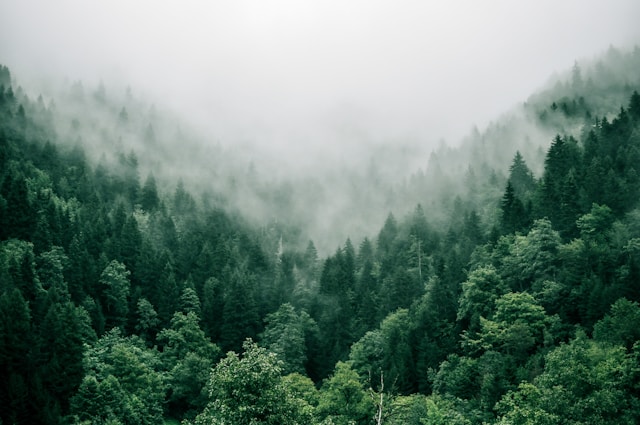
A photo of nature

Italian Nature Vocabulary

Start with the most common words, then expand your knowledge with intermediate and advanced vocabulary.

Beginner (A1)

  • wood il bosco
  • field il campo
  • sky il cielo
  • flower il fiore
  • river il fiume
  • lake il lago
  • sea il mare
  • sun il sole
  • wind il vento
  • tree l'albero
  • grass l'erba
  • island l'isola
  • hill la collina
  • coast la costa
  • forest la foresta
  • moon la luna
  • mountain la montagna
  • snow la neve
  • cloud la nuvola
  • plant la pianta
  • stone la pietra
  • rain la pioggia
  • sand la sabbia
  • beach la spiaggia
  • star la stella

Elementary (A2)

  • cactus il cactus
  • bush il cespuglio
  • desert il deserto
  • lightning il fulmine
  • pine il pino
  • meadow il prato
  • branch il ramo
  • pebble il sasso
  • path il sentiero
  • earthquake il terremoto
  • soil il terreno
  • trunk il tronco
  • thunder il tuono
  • volcano il vulcano
  • ocean l'oceano
  • wave l'onda
  • bay la baia
  • waterfall la cascata
  • shell la conchiglia
  • leaf la foglia
  • cave la grotta
  • fog la nebbia
  • palm la palma
  • rock la roccia
  • spring (water source) la sorgente
  • thorn la spina
  • storm la tempesta
  • valley la valle
  • peak la vetta
  • pond lo stagno

Intermediate & Advanced (B1-C1)

  • canyon il canyon
  • cape il capo
  • coral il corallo
  • crater il cratere
  • delta il delta
  • mud il fango
  • gulf il golfo
  • boulder il masso
  • trail il sentiero
  • brook il ruscello
  • horizon l'orizzonte
  • summit la cima
  • dune la duna
  • ravine la gola
  • hail la grandine
  • tide la marea
  • peninsula la penisola
  • root la radice
  • cliff la scogliera
  • watercourse il corso d'acqua
  • geyser il geyser
  • glacier il ghiacciaio
  • moss il muschio
  • plateau l'altopiano
  • archipelago l'arcipelago
  • estuary l'estuario
  • reef la barriera corallina
  • landslide la frana
  • swamp la palude
  • prairie la prateria
  • savanna la savana
  • hot spring la sorgente termale
  • avalanche la valanga
  • lichen il lichene
  • atoll l'atollo
  • taiga la taiga
  • peat la torba
  • tundra la tundra

Practice What You've Learned

Review your Italian nature vocabulary and test your knowledge with interactive practice.

Ready to take the quiz?

Put your new nature vocabulary into practice and see how many words you can remember.

Take the quiz

Practice with flashcards

Review Italian nature vocabulary and strengthen your memory with interactive flashcards.

Open flashcards

Example Sentences

In proper context. With highlighted verbs and adjectives.

Beginner & Elementary (A1-A2)

Basic sentences about nature featuring fundamental Italian verbs and adjectives.

  • Il sole brilla nel cielo azzurro. The sun shines in the blue sky.
  • La neve cade lentamente sulla montagna. The snow falls slowly on the mountain.
  • Il fiume scorre vicino al bosco. The river flows near the wood.
  • L'erba cresce nel prato verde. The grass grows in the green meadow.
  • Il vento soffia forte sulla spiaggia. The wind blows hard on the beach.
  • La montagna è molto alta. The mountain is very high.
  • La sabbia è molto calda oggi. The sand is very warm today.
  • Il lago vicino al paese è profondo. The lake near the village is deep.
  • La foglia secca cade dall'albero. The dry leaf falls from the tree.
  • La nebbia è molto fitta questa mattina. The fog is very thick this morning.

Intermediate & Advanced (B1-C1)

Complex sentences using nature terms with expressive verbs and descriptive adjectives.

  • La tempesta minaccia la costa rocciosa. The storm threatens the rocky coast.
  • L'acqua erode la roccia lungo il fiume. The water erodes the rock along the river.
  • L'alta marea sommerge la spiaggia di notte. High tide submerges the beach at night.
  • La valanga travolge il sentiero di montagna. The avalanche overwhelms the mountain trail.
  • La cima imponente sovrasta la valle sottostante. The impressive peak towers over the valley below.
  • La scogliera ripida scende fino al mare. The steep cliff drops down to the sea.
  • Il ruscello impetuoso scorre attraverso la gola. The rushing brook flows through the ravine.
  • Il terreno arido del deserto non produce vegetazione. The arid soil of the desert produces no vegetation.
  • La grotta nascosta è quasi inaccessibile. The hidden cave is almost inaccessible.
  • La vegetazione lussureggiante copre la collina. The lush vegetation covers the hill.

Frequently Asked Questions

Frequently asked questions about Italian nature vocabulary and usage.

Italian has specific words for paths depending on whether you are hiking in the mountains or walking in a park.

  • Il sentiero refers to a hiking trail or mountain path.
  • La viuzza or lo stradello is a small road or track, often in rural or old town settings.
  • La pista is used for designated tracks, such as bike paths (pista ciclabile) or ski slopes (pista da sci).

While both words relate to areas covered with trees, they carry different nuances in everyday Italian.

  • Il bosco is smaller, closer to inhabited areas, and usually translates to 'wood' or 'woods'.
  • La foresta describes a vast, dense, wild area of woodland, similar to 'forest' in English.
  • For example, you go for a Sunday walk in il bosco, but wild animals live deep in la foresta.

Key verbs and phrases describe natural weather phenomena clearly in Italian.

  • Piovere (to rain) and nevicare (to snow) are impersonal verbs: Piove a dirotto (It is pouring rain).
  • Tirare vento means 'to be windy': Oggi tira molto vento.
  • Scatenarsi is used for storms breaking out: Si è scatenata una tempesta (A storm broke out).

Italian includes many figurative expressions built from elements of nature.

  • Toccare il cielo con un dito (To touch the sky with a finger) means to be overjoyed.
  • Essere al settimo cielo means to be on cloud nine.
  • Avere la testa tra le nuvole (To have one's head in the clouds) means to daydream.
  • Rimanere di sasso (To remain like stone) means to be stunned or speechless.

Italy's varied geography has led to specific regional terms for natural features across different areas.

  • In Northern Italy, terms like roggia describe small irrigation canals or streams.
  • In Southern coastal regions, small coves or inlets are often called cala or caletta rather than baia.
  • In alpine regions, high pasture mountain huts or meadows are referred to as malga.

Explore All Italian Lessons

Browse all Italian vocabulary lessons, quizzes, grammar guides, and learning resources.

Browse All Lessons

Photo by Marita Kavelashvili on Unsplash