Vocabulary Lesson

Italian Transportation Vocabulary

In this short lesson, you'll master essential transportation vocabulary in Italian. After learning the words, use the flashcards or quiz to reinforce your knowledge.
A1-C1 Audio Included Quiz Flashcards
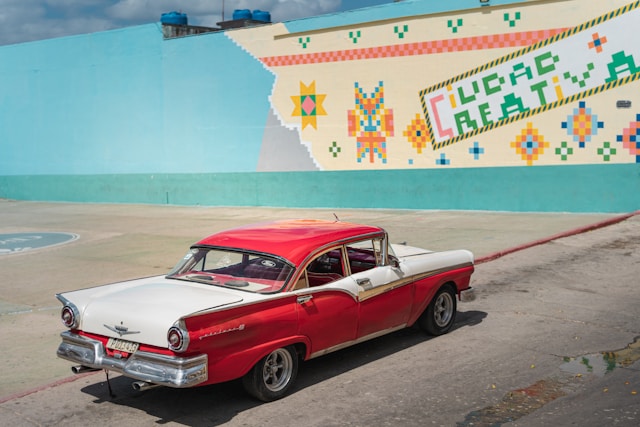
A photo of transportation

Italian Transportation Vocabulary

Start with the most common words, then expand your knowledge with intermediate and advanced vocabulary.

Beginner (A1)

  • ticket il biglietto
  • parking il parcheggio
  • passenger il passeggero/la passeggera
  • bridge il ponte
  • seat il sedile
  • taxi il taxi
  • tram il tram
  • train il treno
  • airplane l'aereo
  • airport l'aeroporto
  • bus l'autobus
  • boat la barca
  • bicycle la bicicletta
  • car la macchina
  • station la stazione
  • road la strada
  • suitcase la valigia
  • backpack lo zaino

Elementary (A2)

  • delays i ritardi
  • luggage il bagaglio
  • truck il camion
  • gas station la stazione di servizio
  • van il furgone
  • sidewalk il marciapiede
  • mechanic il meccanico
  • engine il motore
  • pilot il pilota
  • port il porto
  • traffic light il semaforo
  • terminal il terminal
  • traffic il traffico
  • ferry il traghetto
  • tunnel il tunnel
  • ambulance l'ambulanza
  • elevator l'ascensore
  • driver l'autista
  • highway l'autostrada
  • garage il garage
  • subway la metropolitana
  • motorcycle la motocicletta
  • ship la nave
  • runway la pista
  • wheel la ruota
  • speed la velocità
  • police car l'auto della polizia'
  • scooter lo scooter

Intermediate & Advanced (B1-C1)

  • platform la piattaforma
  • fire truck il camion dei pompieri
  • captain il capitano
  • fuel il carburante
  • cargo il carico
  • helm il casco
  • horn il clacson
  • container il container
  • conductor il conduttore/la conduttrice
  • headlight il faro
  • brake il freno
  • speed limit il limite di velocità
  • handlebar il manubrio
  • sailor il marinaio
  • windshield il parabrezza
  • toll il pedaggio
  • pedal il pedale
  • trailer il rimorchio
  • tractor il trattore
  • wagon il vagone
  • steering wheel il volante
  • dock il molo
  • helicopter l'elicottero
  • traffic jam l'ingorgo
  • ticket machine la biglietteria automatica
  • seatbelt la cintura di sicurezza
  • gear la marcia
  • bike lane la pista ciclabile
  • roundabout la rotatoria
  • spare tire la ruota di scorta
  • escalator la scala mobile
  • license plate la targa
  • sail la vela
  • crosswalk le strisce pedonali
  • rearview mirror lo specchietto
  • forklift il carrello elevatore
  • navigation system il navigatore
  • bumper il paraurti
  • oar il remo
  • wiper il tergicristallo
  • freight il trasporto merci
  • high-speed train il treno ad alta velocità
  • exhaust pipe la marmitta
  • dashboard la plancia

Practice What You've Learned

Review your Italian transportation vocabulary and test your knowledge with interactive practice.

Ready to take the quiz?

Put your new transportation vocabulary into practice and see how many words you can remember.

Take the quiz

Practice with flashcards

Review Italian transportation vocabulary and strengthen your memory with interactive flashcards.

Open flashcards

Example Sentences

In proper context. With highlighted verbs and adjectives.

Beginner & Elementary (A1-A2)

Essential sentences using everyday transportation verbs and adjectives.

  • Mio padre guida la macchina ogni mattina. My father drives the car every morning.
  • La mia famiglia viaggia spesso in treno. My family travels often by train.
  • Io aspetto l'autobus alla fermata. I am waiting for the bus at the stop.
  • Il traghetto parte dal porto alle otto. The ferry departs from the port at eight.
  • L'aereo arriva all'aeroporto in orario. The plane arrives at the airport on time.
  • I treni moderni sono molto veloci. Modern trains are very fast.
  • Il traffico in centro è troppo lento. The traffic in the city center is too slow.
  • L'autobus delle otto è sempre pieno. The eight o'clock bus is always full.
  • Ho comprato uno scooter nuovo. I bought a new scooter.
  • Questo sedile del tram è molto comodo. This seat on the tram is very comfortable.

Intermediate & Advanced (B1-C1)

Complex sentences covering technical details and transit situations.

  • Il macchinista aziona il freno di emergenza. The train driver activates the emergency brake.
  • I passeggeri imbarcano i bagagli sulla nave. The passengers load their luggage onto the ship.
  • L'autista sorpassa il camion sulla linea continua. The driver overtakes the truck on the solid line.
  • L'aereo decolla dalla pista principale tra cinque minuti. The airplane takes off from the main runway in five minutes.
  • Il conducente frena bruscamente davanti alla rotatoria. The driver brakes sharply in front of the roundabout.
  • Il motore della macchina è guasto. The car's engine is out of order.
  • La metropolitana era veramente affollata durante l'ora di punta. The subway was really crowded during peak hour.
  • Guidare con la nebbia è un'esperienza pericolosa. Driving in the fog is a dangerous experience.
  • Le strade cittadine sono completamente intasate a causa dell'ingorgo. The city streets are completely clogged due to the traffic jam.
  • Il capitano gestisce l'intero traffico navale nel porto. The captain manages all naval traffic in the port.

Frequently Asked Questions

Everything you need to know about navigating transit and vehicles in Italian.

Italian uses specific verbs when getting on, getting off, or transferring between public transit vehicles:

  • Salire su: to get on / board (e.g., salire sul treno, salire sull'autobus).
  • Scendere da: to get off / disembark (e.g., scendere alla prossima fermata).
  • Prendere: to catch / take (e.g., prendere il tram).
  • Cambiare: to transfer or change lines (e.g., cambiare linea alla stazione centrale).

When driving a car, scooter, or bicycle, these verbs are essential for navigating roads safely:

  • Guidare: to drive a vehicle (car, truck, bus).
  • Frenare: to brake or slow down.
  • Sorpassare: to overtake or pass another vehicle.
  • Girare / Svoltare: to turn left (a sinistra) or right (a destra).
  • Parcheggiare: to park.

To describe transit flow and the state of transportation, use these common Italian adjectives:

  • Intasato / Congestionato: clogged or traffic-jammed.
  • Affollato: crowded (buses, train cars, platforms).
  • In ritardo: delayed or late (trains, flights).
  • In orario: on time.
  • Guasto: broken down or out of order.

Train travel in Italy relies on key vocabulary to avoid fines and navigate stations easily:

  • Validare / Convalidare (Timbrare): to validate your ticket in the small yellow or green machines before boarding regional trains.
  • Il binario: the train platform / track number (e.g., Il treno parte dal binario 4).
  • La biglietteria automatica: the self-service ticket machine.
  • La coincidenza: the connection or connecting train.

While standard Italian is understood nationwide, local preferences and terms exist across regions:

  • Autobus vs. Pullman: autobus usually refers to city buses, whereas pullman is widely used for intercity coaches and long-distance buses.
  • Scooter vs. Motorino: motorino is very common colloquially across Italy for light scooters, while central regions often call a 50cc scooter a cinquantino.
  • Postale: In Italian-speaking Switzerland (Ticino), regional yellow post buses are called auto postale or simply la postale.

Explore All Italian Lessons

Browse all Italian vocabulary lessons, quizzes, grammar guides, and learning resources.

Browse All Lessons

Photo by Daniel Seßler on Unsplash