Vocabulary Lesson

Spanish Animals Vocabulary

In this short lesson, you'll master essential animals vocabulary in Spanish. After learning the words, use the flashcards or quiz to reinforce your knowledge.
A1-C1 Audio Included Quiz Flashcards
A photo of animals}}

Spanish Animals Vocabulary

Start with the most common words, then expand your knowledge with intermediate and advanced vocabulary.

Beginner (A1)

  • horse el caballo
  • pig el cerdo
  • cat el gato
  • duck el pato
  • dog el perro
  • fish el pez
  • bird el pájaro
  • mouse el ratón
  • chicken el pollo
  • cow la vaca

Elementary (A2)

  • donkey el burro
  • owl el búho
  • crab el cangrejo
  • snail el caracol
  • deer el ciervo
  • crocodile el cocodrilo
  • rabbit el conejo
  • dolphin el delfín
  • elephant el elefante
  • worm el gusano
  • lizard el lagarto
  • lion el león
  • wolf el lobo
  • parrot el loro
  • monkey el mono
  • mosquito el mosquito
  • bear el oso
  • penguin el pingüino
  • shark el tiburón
  • tiger el tigre
  • bull el toro
  • fox el zorro
  • eagle el águila
  • bee la abeja
  • spider la araña
  • squirrel la ardilla
  • whale la ballena
  • goat la cabra
  • zebra la cebra
  • ant la hormiga
  • giraffe la jirafa
  • butterfly la mariposa
  • fly la mosca
  • sheep la oveja
  • frog la rana
  • rat la rata
  • snake la serpiente
  • turtle la tortuga

Intermediate & Advanced (B1-C1)

  • ostrich el avestruz
  • alligator el caimán
  • camel el camello
  • kangaroo el canguro
  • swan el cisne
  • beetle el escarabajo
  • flamingo el flamenco
  • hippopotamus el hipopótamo
  • hamster el hámster
  • bat el murciélago
  • peacock el pavo real
  • octopus el pulpo
  • rhinoceros el rinoceronte
  • seal la foca
  • lobster la langosta
  • jellyfish la medusa
  • walrus la morsa

Practice What You've Learned

Review your Spanish animals vocabulary and test your knowledge with interactive practice.

Ready to take the quiz?

Put your new animals vocabulary into practice and see how many words you can remember.

Take the quiz

Practice with flashcards

Review Spanish animals vocabulary and strengthen your memory with interactive flashcards.

Open flashcards

Example Sentences

In proper context. With highlighted verbs and adjectives.

Beginner & Elementary (A1-A2)

Essential verbs and descriptive adjectives used when talking about common animals.

  • El perro corre en el jardín. The dog runs in the garden.
  • La vaca come hierba en el campo. The cow eats grass in the field.
  • El gato duerme sobre la cama. The cat sleeps on the bed.
  • El pájaro vuela alto en el cielo. The bird flies high in the sky.
  • El pez nada en el agua fría. The fish swims in the cold water.
  • El gato negro es muy tranquilo. The black cat is very calm.
  • El conejo blanco tiene orejas largas. The white rabbit has long ears.
  • La tortuga es un animal muy lento. The turtle is a very slow animal.
  • El elefante es un animal grande. The elephant is a big animal.
  • El pato amarillo está sucio. The yellow duck is dirty.

Intermediate & Advanced (B1-C1)

More complex sentence structures describing animal behavior, habitats, and traits.

  • El tiburón caza peces en el océano profundo. The shark hunts fish in the deep ocean.
  • El murciélago habita en cuevas oscuras durante el día. The bat lives in dark caves during the day.
  • El pavo real despliega sus plumas para atraer a la hembra. The peacock displays its feathers to attract the female.
  • La serpiente se desliza silenciosamente entre las rocas. The snake glides silently between the rocks.
  • El águila observa a su presa desde la cima de la montaña. The eagle watches its prey from the top of the mountain.
  • El camello es un animal extremadamente resistente al calor. The camel is an extremely resilient animal to heat.
  • El pulpo es una criatura marina muy inteligente. The octopus is a very intelligent marine creature.
  • La medusa flotaba en el agua pero era peligrosa. The jellyfish was floating in the water but was dangerous.
  • El delfín mostró un comportamiento sorprendentemente sociable. The dolphin showed a surprisingly sociable behavior.
  • El rinoceronte posee una piel muy gruesa. The rhinoceros has very thick skin.

Frequently Asked Questions

Frequently asked questions about animal vocabulary, grammar rules, and usage in Spanish.

In Spanish, every animal noun has a grammatical gender that does not automatically change based on the physical sex of the animal. Key points include:

  • Fixed grammatical gender: Many animal names have only one form (e.g., el gorila is always masculine, la jirafa is always feminine) regardless of whether the animal is male or female.
  • Adding 'macho' or 'hembra': To specify sex for single-gender animal nouns, append macho (male) or hembra (female), such as la jirafa macho or el el elefante hembra.
  • Paired masculine/feminine nouns: Some common domestic animals have distinct masculine and feminine forms, such as el perro / la perra, el gato / la gata, or el caballo / la yegua.

Spanish uses specific verbs to describe actions and vocalizations typical of different animals:

  • Ladrar: To bark (used for el perro).
  • Maullar: To meow (used for el gato).
  • Rugir: To roar (used for el león and el tigre).
  • Morder / Picar: Morder means to bite (dogs, snakes), while picar means to sting or peck (bees, mosquitoes, birds).
  • Nadar / Volar / Saltar: To swim (fish), fly (birds, insects), and jump (frogs, kangaroos).

The word águila is a grammatically feminine noun, but it follows a special phonetic rule in Spanish:

  • Avoiding phonetic clash: Feminine nouns starting with a stressed a- or ha- sound use the singular masculine article el to prevent two 'a' sounds from slurring together (e.g., el águila instead of la águila).
  • Plural forms: In the plural, the standard feminine article returns: las águilas.
  • Adjective agreement: Adjectives modifying águila remain feminine, e.g., el águila majestuosa.

Spanish speakers frequently modify animal names using diminutive suffixes to express fondness or describe small animals:

  • -ito / -ita: The most common suffix (e.g., perrito for puppy/little dog, gatito for kitten, pajarito for little bird).
  • -illo / -illa: Used in certain regions or specific established words (e.g., ardilla comes from a historical diminutive).
  • Contextual warmth: Using el perrito or el gatito often implies affection rather than strictly measuring size.

Spanish contains many everyday idioms and proverbs featuring animals:

  • Estar como una cabra: Literally 'to be like a goat', meaning to be crazy or acting wild.
  • Ser un lince: To be sharp-minded or very clever.
  • Haber gato encerrado: To suspect something fishy or hidden going on ('there's a locked-up cat').
  • Por si las moscas: Just in case ('for if the flies come').

Explore All Spanish Lessons

Browse all Spanish vocabulary lessons, quizzes, grammar guides, and learning resources.

Browse All Lessons

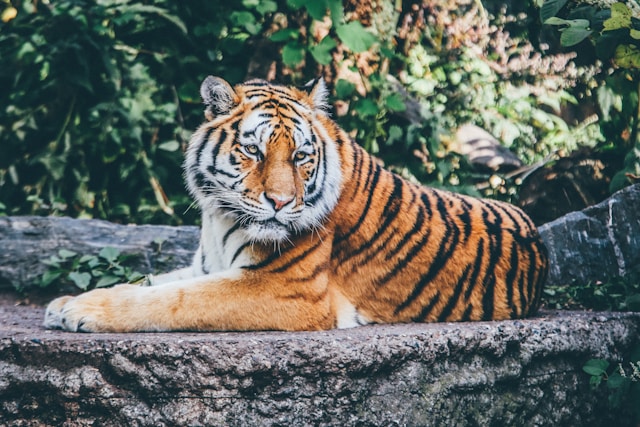
Photo by Nick Karvounis on Unsplash