Vocabulary Lesson

Spanish Home Vocabulary

In this short lesson, you'll master essential home vocabulary in Spanish. After learning the words, use the flashcards or quiz to reinforce your knowledge.
A1-C1 Audio Included Quiz Flashcards
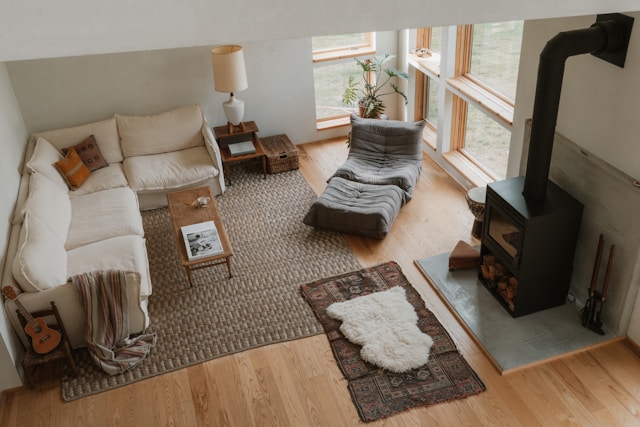
A picture of a home for Spanish home vocabulary lesson

Spanish Home Vocabulary

Start with the most common words, then expand your knowledge with intermediate and advanced vocabulary.

Beginner (A1)

  • house / home la casa
  • room la habitación
  • room el cuarto
  • bedroom el dormitorio
  • kitchen la cocina
  • bathroom el baño
  • door la puerta
  • window la ventana
  • wall la pared
  • floor el suelo
  • table la mesa
  • chair la silla
  • bed la cama
  • sofa el sofá
  • wardrobe / closet el armario
  • light la luz
  • television la televisión
  • phone el teléfono
  • key la llave
  • plate el plato
  • glass el vaso
  • cup la taza
  • knife el cuchillo
  • fork el tenedor
  • spoon la cuchara
  • shower la ducha
  • toilet el inodoro
  • towel la toalla
  • soap el jabón
  • living room el salón
  • dining room el comedor
  • desk el escritorio
  • piece of furniture el mueble
  • drawer el cajón
  • lamp la lámpara
  • mirror el espejo
  • refrigerator la nevera
  • oven el horno
  • microwave el microondas
  • sink el fregadero
  • frying pan la sartén
  • pot la olla
  • washbasin el lavabo
  • bathtub la bañera
  • pillow la almohada
  • blanket la manta
  • sheet la sábana
  • mattress el colchón
  • curtain la cortina

Elementary (A2)

  • apartment / flat el piso
  • apartment el apartamento
  • hallway el pasillo
  • entrance la entrada
  • staircase la escalera
  • garden el jardín
  • balcony el balcón
  • terrace la terraza
  • washing machine la lavadora
  • dishwasher el lavavajillas
  • freezer el congelador
  • faucet / tap el grifo
  • vacuum cleaner la aspiradora
  • broom la escoba
  • mop la fregona
  • trash / garbage la basura
  • detergent el detergente
  • light bulb la bombilla
  • radiator el radiador
  • building el edificio
  • office / study el despacho
  • garage el garaje
  • patio / courtyard el patio
  • elevator el ascensor
  • basement el sótano
  • attic el ático
  • armchair el sillón
  • dresser la cómoda
  • bookshelf / shelving la estantería
  • nightstand la mesita de noche
  • blind / shutter la persiana
  • coffee maker la cafetera
  • toaster la tostadora
  • container el recipiente
  • tray la bandeja
  • strainer el colador
  • bucket el cubo
  • toothbrush el cepillo de dientes
  • toothpaste la pasta de dientes
  • shampoo el champú
  • drain el desagüe
  • roof el tejado
  • shelf el estante
  • countertop la encimera

Intermediate & Advanced (B1-C1)

  • headboard el cabecero
  • bedspread la colcha
  • ceramic cooktop la vitrocerámica
  • extractor hood la campana extractora
  • bidet el bidé
  • toilet tank la cisterna
  • shower screen la mampara
  • medicine cabinet el botiquín
  • thermostat el termostato
  • pipe la tubería
  • landing el rellano
  • railing la barandilla
  • step el escalón
  • doorknob el pomo
  • sideboard el aparador
  • coat rack el perchero
  • shoe rack el zapatero
  • cover / case la funda
  • dish rack / strainer el escurridor
  • grater el rallador
  • bathrobe el albornoz
  • scouring pad el estropajo
  • cleaning cloth la bayeta
  • dustpan el recogedor
  • boiler la caldera

Practice What You've Learned

Review your Spanish home vocabulary and test your knowledge with interactive practice.

Ready to take the quiz?

Put your new home vocabulary into practice and see how many words you can remember.

Take the quiz

Practice with flashcards

Review Spanish home vocabulary and strengthen your memory with interactive flashcards.

Open flashcards

Example Sentences

In the context of a market. With highlighted verbs and adjectives.

Beginner & Elementary (A1-A2)

Everyday home conversations using basic A1/A2 household vocabulary.

  • Yo vivo en una casa pequeña. I live in a small house.
  • Mi madre cocina en la cocina. My mother cooks in the kitchen.
  • Yo abro la ventana por la mañana. I open the window in the morning.
  • Mi hermano duerme en el dormitorio. My brother sleeps in the bedroom.
  • Yo limpio el baño todos los días. I clean the bathroom every day.
  • La casa es grande. The house is big.
  • Mi habitación es pequeña. My room is small.
  • El salón es cómodo. The living room is comfortable.
  • La cocina está limpia. The kitchen is clean.
  • El dormitorio es tranquilo. The bedroom is quiet.

Intermediate & Advanced (B1-C1)

Everyday household situations using intermediate and advanced home vocabulary.

  • Nosotros reparamos la tubería de la cocina. We repair the kitchen pipe.
  • Mi padre enciende la calefacción en invierno. My father turns on the heating in winter.
  • Nosotros guardamos las herramientas en el trastero. We keep the tools in the storage room.
  • La familia instaló una nueva campana extractora. The family installed a new extractor hood.
  • El propietario reparó la fuga rápidamente. The landlord repaired the leak quickly.
  • La vivienda es bastante luminosa. The home is quite bright.
  • El edificio es antiguo pero bien conservado. The building is old but well maintained.
  • El ático es espacioso y moderno. The attic is spacious and modern.
  • La cocina tiene un diseño funcional. The kitchen has a functional design.
  • La vivienda resulta acogedora durante el invierno. The home feels cozy during the winter.

Frequently Asked Questions

Essential tips on describing your home, talking about rooms and household objects, understanding regional differences, and using common Spanish home expressions.

These basic expressions help you describe where you live, talk about rooms, and explain what your home is like:

  • Mi casa... (My house/home...) — Used to introduce or describe your home. Example: Mi casa es pequeña. (My house is small.)
  • Vivo en... (I live in...) — Used to say where you live. Example: Vivo en un apartamento. (I live in an apartment.)
  • Mi habitación... (My room...) — Used to describe your bedroom or personal space. Example: Mi habitación tiene una ventana grande. (My room has a large window.)
  • La cocina / el baño / el salón... — Used to talk about different rooms. Example: La cocina está al lado del salón. (The kitchen is next to the living room.)
  • Hay... (There is / there are...) — Used to say what exists in a room. Example: Hay una mesa y cuatro sillas. (There is a table and four chairs.)
  • Tengo... (I have...) — Used to describe furniture and objects in your home. Example: Tengo un sofá grande. (I have a large sofa.)
  • Mi casa tiene... (My house has...) — Used to describe the rooms or features of your home. Example: Mi casa tiene tres habitaciones. (My house has three rooms.)

Spanish uses common adjectives and simple expressions to describe the size, condition, and atmosphere of rooms:

  • Una habitación grande (A large room) — Example: Mi habitación es bastante grande. (My room is quite large.)
  • Una cocina pequeña (A small kitchen) — Example: Tenemos una cocina pequeña. (We have a small kitchen.)
  • Un salón cómodo (A comfortable living room) — Example: El salón es muy cómodo. (The living room is very comfortable.)
  • Una casa luminosa (A bright home) — Example: Es una casa muy luminosa. (It's a very bright home.)
  • Una habitación tranquila (A quiet room) — Example: Mi dormitorio es tranquilo. (My bedroom is quiet.)
  • Una cocina limpia (A clean kitchen) — Example: La cocina está limpia. (The kitchen is clean.)
  • Una casa acogedora (A cozy home) — Example: Es una casa pequeña pero acogedora. (It's a small but cozy home.)

Some everyday home words change depending on the Spanish-speaking country. These are the most useful regional differences to know:

  • Apartment: piso in Spain; departamento in Mexico, Argentina, Chile, Peru, and Bolivia; apartamento in Colombia, Venezuela, Puerto Rico, and much of Central America.
  • Refrigerator: frigorífico in Spain; nevera in Colombia, Venezuela, Cuba, and parts of Central America; refrigerador in Mexico and Chile; heladera in Argentina and Uruguay; refrigeradora in Peru.
  • Living room: salón in Spain; sala in Mexico, Colombia, Venezuela, and much of Latin America; sala de estar in Chile and some other countries.
  • Computer: ordenador in Spain; computadora in Mexico, Argentina, Chile, Peru, and much of Latin America; computador in Colombia, Chile, and some other South American countries.
  • Stove: cocina in Spain and many Latin American countries; estufa in Mexico, Colombia, Venezuela, and parts of Central America; cocina or cocinilla in some parts of South America.
  • Closet: armario in Spain and much of Latin America; clóset in Mexico, Chile, Colombia, and several other Latin American countries; placard in Argentina and Uruguay.
  • Bathtub: bañera in Spain and most of Latin America; tina in Mexico, Chile, and parts of Central America.

These adjectives help you describe the size, appearance, condition, and atmosphere of a home:

  • Grande: Big/large — Mi casa es grande. (My house is big.)
  • Pequeño/a: Small — Tenemos un apartamento pequeño. (We have a small apartment.)
  • Cómodo/a: Comfortable — El sofá es muy cómodo. (The sofa is very comfortable.)
  • Limpio/a: Clean — El baño está limpio. (The bathroom is clean.)
  • Tranquilo/a: Quiet — El barrio es muy tranquilo. (The neighborhood is very quiet.)
  • Luminoso/a: Bright — El salón es luminoso. (The living room is bright.)
  • Acogedor/a: Cozy — Mi casa es pequeña y acogedora. (My home is small and cozy.)

These verbs are useful for talking about everyday activities, household objects, and things you do around the home:

  • Vivir: To live — Vivo en una casa pequeña. (I live in a small house.)
  • Tener: To have — Tenemos tres habitaciones. (We have three rooms.)
  • Abrir: To open — Abro la ventana por la mañana. (I open the window in the morning.)
  • Cerrar: To close — Cierro la puerta antes de dormir. (I close the door before going to sleep.)
  • Limpiar: To clean — Limpio la cocina todos los días. (I clean the kitchen every day.)
  • Ordenar: To tidy / organize — Ordeno mi habitación los sábados. (I tidy my room on Saturdays.)
  • Cocinar: To cook — Cocino la cena en la cocina. (I cook dinner in the kitchen.)

Explore All Spanish Lessons

Browse all Spanish vocabulary lessons, quizzes, grammar guides, and learning resources.

Browse All Lessons

Photo by Clay Banks on Unsplash