Vocabulary Quiz
Spanish Money Quiz
Test your knowledge of Spanish money vocabulary with this interactive quiz. Choose the correct answers and check how well you remember.
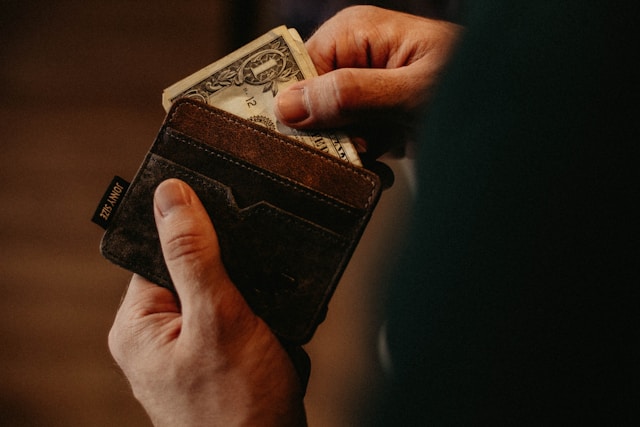
Test your knowledge of Spanish money vocabulary with this interactive quiz. Choose the correct answers and check how well you remember.
Review your Spanish money vocabulary and keep your knowledge fresh.
Refresh your memory with a quick review of essential words.
Review Spanish money vocabulary and strengthen your memory with interactive flashcards.
See how money vocabulary is used in everyday life, routines, and general daily conversations.
Test your understanding of basic money and banking vocabulary.
| Audio | Spanish | English Translation |
|---|---|---|
| Pagué la comida con billetes y el cajero me dio el cambio. | I paid for the food with bills and the cashier gave me the change. | |
| Siempre llevo mi dinero y mis tarjetas dentro de la cartera. | I always carry my money and cards inside my wallet. | |
| Dejamos una buena propina en el restaurante después de cenar. | We left a good tip at the restaurant after having dinner. | |
| Abrieron una cuenta de ahorros en el banco del centro. | They opened a savings account at the downtown bank. | |
| Guardo las monedas sueltas en una pequeña alcancía. | I keep loose coins in a small piggy bank. |
Practice financial and economic terms in realistic contexts.
| Audio | Spanish | English Translation |
|---|---|---|
| La empresa tuvo que pedir un préstamo para cubrir sus deudas. | The company had to ask for a loan to cover its debts. | |
| Ajustamos el presupuesto mensual para aumentar nuestras ganancias. | We adjusted the monthly budget to increase our profits. | |
| El tipo de cambio fluctuó mucho durante las últimas semanas. | The exchange rate fluctuated a lot over the last few weeks. | |
| Recibimos la factura de la luz y el pago vence mañana. | We received the electricity bill and the payment is due tomorrow. | |
| Solicitaron una hipoteca con una tasa de interés muy baja. | They applied for a mortgage with a very low interest rate. |
Discover the proven learning benefits of interactive testing for mastering Spanish fruit names and expanding your fluency.
Forcing your brain to retrieve Spanish words from memory strengthens neural pathways far more effectively than passive reading or listening.
Immediate correctness checks prevent the fossilization of errors, allowing you to instantly correct spelling, gender, and translation mistakes.
Testing across Easy, Medium, and Hard CEFR levels lets you target your weak spots and systematically build long-term vocabulary retention.
Turning repetitive memorization into an interactive challenge boosts motivation, making daily practice enjoyable and consistent.
Continue expanding your Spanish vocabulary with these related lessons.
Browse all Spanish vocabulary lessons, quizzes, grammar guides, and learning resources.
Browse All LessonsPhoto by Allef Vinicius on Unsplash