Vocabulary Lesson

Italian Food Vocabulary

In this short lesson, you'll master essential food vocabulary in Italian. After learning the words, use the flashcards or quiz to reinforce your knowledge.
A1-C1 Audio Included Quiz Flashcards
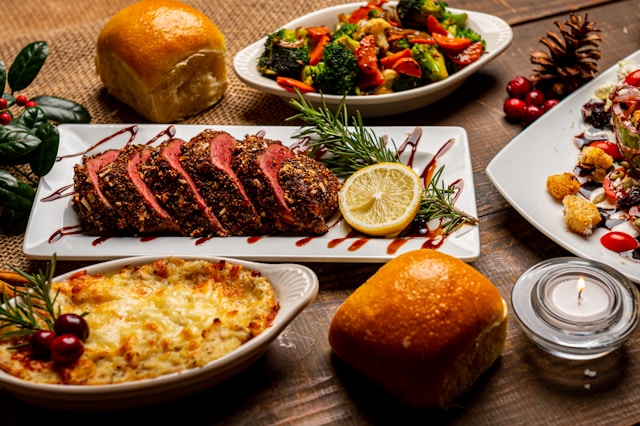
A photo of food

Italian Food Vocabulary

Start with the most common words, then expand your knowledge with intermediate and advanced vocabulary.

Beginner (A1)

  • butter il burro
  • coffee il caffè
  • bread il pane
  • chocolate il cioccolato
  • cheese il formaggio
  • ice cream il gelato
  • milk il latte
  • biscuit il biscotto
  • pepper il pepe
  • fish il pesce
  • chicken il pollo
  • rice il riso
  • salt il sale
  • salad l'insalata
  • oil l'olio
  • egg l'uovo
  • beer la birra
  • meat la carne
  • pasta la pasta
  • cake la torta
  • yogurt lo yogurt
  • sugar lo zucchero
  • ham il prosciutto

Elementary (A2)

  • bean il fagiolo
  • shrimp il gambero
  • pork il maiale
  • beef il manzo
  • honey il miele
  • salmon il salmone
  • turkey il tacchino
  • tuna il tonno
  • vinegar l'aceto
  • lamb l'agnello
  • flour la farina
  • almond la mandorla
  • jam la marmellata
  • soup la minestra
  • hazelnut la nocciola
  • walnut la noce
  • cream la panna
  • chickpea il cece
  • pea il pisello
  • corn il mais
  • cereal i cereali
  • bacon la pancetta
  • sausage la salsiccia
  • veal il vitello
  • mayonnaise la maionese
  • ketchup il ketchup

Intermediate & Advanced (B1-C1)

  • shellfish i frutti di mare
  • squid il calamaro
  • yeast il lievito
  • octopus il polpo
  • parsley il prezzemolo
  • rosemary il rosmarino
  • duck l'anatra
  • peanut l'arachide
  • herb l'erba
  • oregano l'origano
  • raisin l'uva passa
  • mussel la cozza
  • lentil la lenticchia
  • sardine la sardina
  • spice la spezia
  • clam la vongola
  • soybean la soia
  • pistachio il pistacchio
  • pine nut il pinolo
  • oats l'avena
  • barley l'orzo
  • couscous il cuscus
  • noodle il noodle
  • tofu il tofu
  • mustard la senape
  • soy sauce la salsa di soia
  • baking powder il lievito in polvere
  • broth il brodo
  • syrup lo sciroppo
  • margarine la margarina
  • gelatin la gelatina
  • sesame il sesamo
  • thyme il timo
  • anchovy l'acciuga
  • bay leaf l'alloro
  • sage la salvia
  • cashew l'anacardo
  • pecan la noce pecan
  • sunflower seed il seme di girasole
  • pumpkin seed il seme di zucca
  • chia seed il seme di chia
  • quinoa la quinoa
  • rye la segale
  • baking soda il bicarbonato
  • macadamia nut la noce macadamia
  • flaxseed il seme di lino

Practice What You've Learned

Review your Italian food vocabulary and test your knowledge with interactive practice.

Ready to take the quiz?

Put your new food vocabulary into practice and see how many words you can remember.

Take the quiz

Practice with flashcards

Review Italian food vocabulary and strengthen your memory with interactive flashcards.

Open flashcards

Example Sentences

In proper context. With highlighted verbs and adjectives.

Beginner & Elementary (A1-A2)

Learn basic Italian food terms with simple verbs and adjectives.

  • Marco cucina il riso con le verdure. Marco cooks rice with vegetables.
  • Maria compra il pane fresco ogni mattina. Maria buys fresh bread every morning.
  • Io mangio un biscotto al cioccolato. I eat a chocolate cookie.
  • Noi beviamo il caffè caldo al bar. We drink hot coffee at the cafe.
  • Luca prepara una torta deliziosa. Luca prepares a delicious cake.
  • Il latte nel frigorifero è freddo. The milk in the fridge is cold.
  • Questo formaggio italiano è molto saporito. This Italian cheese is very flavorful.
  • La minestra di verdure è calda. The vegetable soup is hot.
  • Il gelato alla fragola è dolce. The strawberry ice cream is sweet.
  • Il prosciutto crudo è un po' salato. The cured ham is a bit salty.

Intermediate & Advanced (B1-C1)

More complex Italian sentences using culinary terms, herbs, and seasonings.

  • Lo chef insaporisce il brodo con il rosmarino. The chef flavors the broth with rosemary.
  • Mia nonna mescola la farina con il lievito. My grandmother mixes the flour with the yeast.
  • Il cuoco griglia il salmone con olio e limone. The cook grills the salmon with oil and lemon.
  • Noi condiamo l'insalata con olio e aceto. We season the salad with oil and vinegar.
  • I camerieri servono i frutti di mare freschi. The waiters serve fresh seafood.
  • Questo piatto a base di agnello è molto speziato. This lamb-based dish is very spicy.
  • Abbiamo comprato del tonno fresco al mercato. We bought some fresh tuna at the market.
  • La carne di maiale è davvero tenera. The pork is really tender.
  • Le lenticchie con la salsiccia sono un piatto nutriente. Lentils with sausage are a nutritious dish.
  • L'olio extravergine d'oliva ha un gusto amaro. Extra virgin olive oil has a bitter taste.

Frequently Asked Questions

Frequently asked questions about Italian food vocabulary and dining terms.

In Italian, meal names and verbs are closely tied to daily routine:

  • Fare colazione means 'to have breakfast' (e.g., Faccio colazione con caffè e biscotti).
  • Pranzare means 'to eat lunch' (e.g., Pranziamo all'una).
  • Fare merenda refers to having an afternoon snack.
  • Cenare means 'to eat dinner' (e.g., Ceniamo in famiglia alle otto).

Describing food accurately is an essential part of Italian dining culture:

  • Dolce (sweet) and salato (salty/savory).
  • Piccante (spicy) and amaro (bitter).
  • Croccante (crunchy/crispy) and morbido (soft).
  • Saporito (tasty/flavorful) and insipido or sciapo (bland/unsalted).

When ordering meat or fish in Italy, knowing these terms will ensure you get your meal cooked to preference:

  • Al sangue means 'rare' (literally 'to the blood').
  • A media cottura means 'medium cooked'.
  • Ben cotta means 'well done'.
  • Al forno (baked/roast), alla griglia / ai ferri (grilled), and fritto (fried).

These sweet cream-related words are often confused by learners:

  • La panna is dairy cream, such as panna montata (whipped cream) or panna da cucina (cooking cream).
  • La crema usually refers to custard, pastry cream, or smooth desserts and sauces.
  • Il gelato is traditional Italian ice cream.

Italy's strong regional culinary traditions mean ingredient names often vary locally:

  • Arancino (Sicily - East/Catania) vs Arancina (Sicily - West/Palermo) for stuffed rice balls.
  • Cocomero (Central Italy) vs Anguria (Northern Italy) for watermelon.
  • Cornetto (Central/Southern Italy) vs Brioche (Northern Italy) for a breakfast pastry.

Explore All Italian Lessons

Browse all Italian vocabulary lessons, quizzes, grammar guides, and learning resources.

Browse All Lessons

Photo by Jed Owen on Unsplash