Vocabulary Lesson

Spanish Transportation Vocabulary

In this short lesson, you'll master essential transportation vocabulary in Spanish. After learning the words, use the flashcards or quiz to reinforce your knowledge.
A1-C1 Audio Included Quiz Flashcards
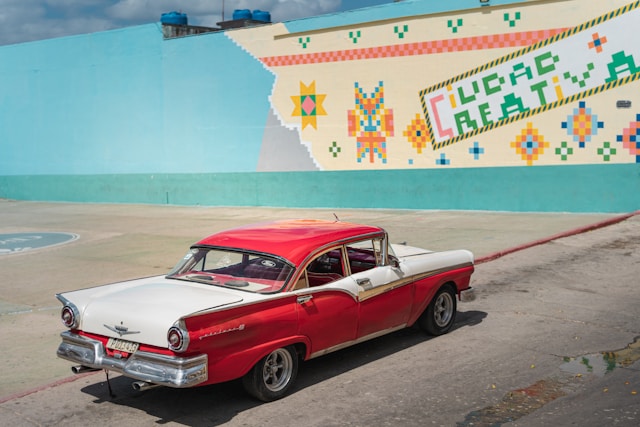
A photo of transportation}}

Spanish Transportation Vocabulary

Start with the most common words, then expand your knowledge with intermediate and advanced vocabulary.

Beginner (A1)

  • seat el asiento
  • bus el autobús
  • airplane el avión
  • boat el barco
  • ticket el billete
  • car el coche
  • driver el conductor/la conductora
  • subway el metro
  • passenger el pasajero/la pasajera
  • taxi el taxi
  • train el tren
  • bicycle la bicicleta
  • road la carretera
  • station la estación

Elementary (A2)

  • platform el andén
  • truck el camión
  • luggage el equipaje
  • mirror el espejo
  • parking el aparcamiento
  • schedule el horario
  • mechanic el mecánico/la mecánica
  • engine el motor
  • pilot el piloto/la pilota
  • bridge el puente
  • delay el retraso
  • conductor el conductor/la conductora
  • scooter la moto
  • traffic light el semáforo
  • tram el tranvía
  • traffic el tráfico
  • tunnel el túnel
  • sidewalk la acera
  • highway la autopista
  • van la furgoneta
  • gasoline la gasolina
  • motorcycle la motocicleta
  • wheel la rueda
  • route la ruta
  • sign la señal
  • speed la velocidad
  • track la vía

Intermediate & Advanced (B1-C1)

  • accelerator el acelerador
  • ship el buque
  • captain el capitán/la capitana
  • hood el capó
  • horn el claxon
  • fuel el combustible
  • headlight el faro
  • railroad el ferrocarril
  • ferry el transbordador
  • brake el freno
  • helicopter el helicóptero
  • kayak el kayak
  • trunk el maletero
  • skateboard el monopatín
  • windshield el parabrisas
  • crosswalk el paso de peatones
  • pedal el pedal
  • oar el remo
  • wagon el vagón
  • sailboat el velero
  • steering wheel el volante
  • canoe la canoa
  • deck la cubierta
  • tire el neumático
  • gear la marcha
  • license plate la matrícula
  • roundabout la rotonda
  • crew la tripulación
  • rollerblades los patines en línea
  • anchor el ancla
  • diesel el diésel
  • toll el peaje
  • dashboard el salpicadero
  • yacht el yate
  • locomotive la locomotora

Practice What You've Learned

Review your Spanish transportation vocabulary and test your knowledge with interactive practice.

Ready to take the quiz?

Put your new transportation vocabulary into practice and see how many words you can remember.

Take the quiz

Practice with flashcards

Review Spanish transportation vocabulary and strengthen your memory with interactive flashcards.

Open flashcards

Example Sentences

In proper context. With highlighted verbs and adjectives.

Beginner & Elementary (A1-A2)

Essential verbs and adjectives used when talking about everyday travel and transport.

  • El tren llega a la estación a las ocho. The train arrives at the station at eight o'clock.
  • La conductora conduce el autobús con cuidado. The driver drives the bus carefully.
  • Mi hermano aparca el coche en la calle. My brother parks the car on the street.
  • Carlos compra un billete para el viaje. Carlos buys a ticket for the trip.
  • El avión vuela muy alto hoy. The airplane flies very high today.
  • El metro de la ciudad es completamente nuevo. The city subway is completely new.
  • El barco es demasiado lento para este trayecto. The boat is too slow for this journey.
  • El asiento del tren es bastante cómodo. The seat on the train is quite comfortable.
  • La estación de autobuses está siempre limpia. The bus station is always clean.
  • Un avión es un transporte muy rápido. An airplane is a very fast means of transport.

Intermediate & Advanced (B1-C1)

More complex actions and descriptions related to vehicle operation and transit infrastructure.

  • El conductor frena bruscamente ante el semáforo rojo. The driver brakes suddenly at the red traffic light.
  • El mecánico arranca el motor para comprobar la avería. The mechanic starts the engine to check the breakdown.
  • La furgoneta adelanta al camión en la autopista. The van overtakes the truck on the highway.
  • El helicóptero despega desde la cubierta del barco. The helicopter takes off from the deck of the ship.
  • El coche gira en la rotonda para tomar la siguiente salida. The car turns at the roundabout to take the next exit.
  • La policía revisó el vehículo por tener un faro defectuoso. The police inspected the vehicle for having a defective headlight.
  • El servicio de tranvías es extraordinariamente puntual en esta ciudad. The tram service is extraordinarily punctual in this city.
  • El camión no pudo cruzar por el puente estrecho. The truck could not cross the narrow bridge.
  • La locomotora antigua producía un sonido muy ruidoso al pasar. The old locomotive produced a very noisy sound as it passed.
  • La autopista principal está perfectamente pavimentada para alta velocidad. The main highway is perfectly paved for high speed.

Frequently Asked Questions

Essential advice for discussing travel, driving, and public transportation in Spanish.

Spanish uses specific verb and preposition combinations depending on whether you are boarding or exiting transport:

  • Subir a / Subirse a means 'to get on' or 'to board': Subí al autobús (I got on the bus).
  • Bajar de / Bajarse de means 'to get off' or 'to disembark': Tenemos que bajarnos en la próxima estación (We need to get off at the next station).
  • Montar en is also common in Spain and parts of Latin America for bicycles and horses: Montar en bicicleta (To ride a bike).

The verb you use depends on both the vehicle type and regional preference:

  • Conducir is standard across the Spanish-speaking world for driving cars or larger vehicles, especially in Spain.
  • Manejar is the most common verb for driving a car in Latin America.
  • Pilotar or volar is used for aircraft (airplanes, helicopters).
  • Navegar is used for boats, ships, and yachts.

Navigating stations and airports requires understanding key schedule vocabulary:

  • Estar con retraso / demorado: El tren lleva un retraso de quince minutos (The train has a fifteen-minute delay).
  • A tiempo / Puntual: El vuelo sale a tiempo (The flight leaves on time).
  • El horario: Refers to the published timetable or schedule.
  • La hora de salida / llegada: Departure / arrival time.

Visiting a gas station (gasolinera or estación de servicio) involves these essential terms:

  • Gasolina (unleaded fuel) vs. Diésel or gasóleo (diesel fuel).
  • Llenar el depósito / tanque: To fill up the gas tank.
  • Combustible: The general term for fuel.

Useful key phrases when purchasing transit passes or navigating routes include:

  • Un billete de ida y vuelta (Spain) or un boleto de ida y vuelta (Latin America): A round-trip ticket.
  • Un billete sencillo / ida solo: A one-way ticket.
  • ¿Dónde se coge/toma el autobús para...?: Where do I catch the bus to...?

Explore All Spanish Lessons

Browse all Spanish vocabulary lessons, quizzes, grammar guides, and learning resources.

Browse All Lessons

Photo by Daniel Seßler on Unsplash