Vocabulary Lesson

German Vegetables Vocabulary

In this short lesson, you'll master essential vegetables vocabulary in German. After learning the words, use the flashcards or quiz to reinforce your knowledge.
A1-C1 Audio Included Quiz Flashcards
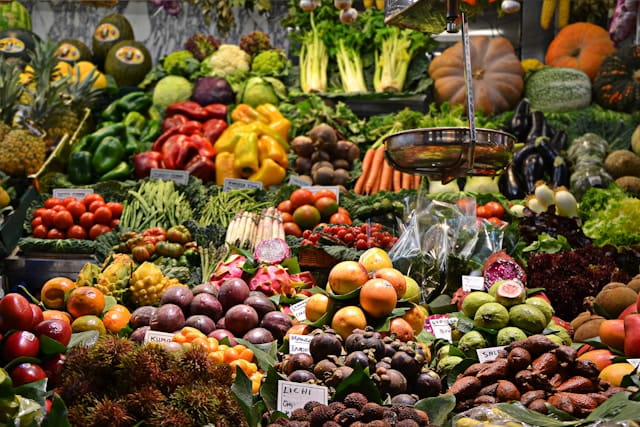
A photo of vegetables

German Vegetables Vocabulary

Start with the most common words, then expand your knowledge with intermediate and advanced vocabulary.

Beginner (A1)

  • corn der Mais
  • tomato die Tomate
  • lettuce der Salat
  • cucumber die Gurke
  • carrot die Karotte
  • potato die Kartoffel
  • pepper die Paprika
  • onion die Zwiebel
  • mushroom der Pilz
  • cabbage der Kohl

Elementary (A2)

  • radish das Radieschen
  • cauliflower der Blumenkohl
  • broccoli der Brokkoli
  • garlic der Knoblauch
  • pumpkin der Kürbis
  • spinach der Spinat
  • pea die Erbse
  • bell pepper die Paprikaschote
  • beetroot die Rote Bete
  • zucchini die Zucchini

Intermediate & Advanced (B1-C1)

  • dill der Dill
  • ginger der Ingwer
  • leek der Lauch
  • Brussels sprouts der Rosenkohl
  • chive der Schnittlauch
  • celery der Sellerie
  • asparagus der Spargel
  • squash der Squash
  • eggplant die Aubergine
  • avocado die Avocado
  • scallion die Frühlingszwiebel
  • olive die Olive
  • parsley die Petersilie
  • turnip die Rübe
  • sweet potato die Süßkartoffel
  • kale der Grünkohl
  • celeriac der Knollensellerie
  • kohlrabi der Kohlrabi
  • chard der Mangold
  • bok choy der Pak Choi
  • parsnip der Pastinak
  • radicchio der Radicchio
  • rutabaga der Steckrübe
  • artichoke die Artischocke
  • endive die Endivie
  • watercress die Kresse
  • okra die Okra
  • arugula die Rucola
  • shallot die Schalotte
  • yam die Yamswurzel

Practice What You've Learned

Review your German vegetables vocabulary and test your knowledge with interactive practice.

Ready to take the quiz?

Put your new vegetables vocabulary into practice and see how many words you can remember.

Take the quiz

Practice with flashcards

Review German vegetables vocabulary and strengthen your memory with interactive flashcards.

Open flashcards

Example Sentences

In proper context. With highlighted verbs and adjectives.

Beginner & Elementary (A1-A2)

Basic sentences about vegetables for everyday conversations.

  • Ich koche heute eine Suppe mit Karotten und Kartoffeln. I am cooking a soup with carrots and potatoes today.
  • Er schneidet die Tomaten für den Salat. He is cutting the tomatoes for the salad.
  • Wir essen gerne frischen Brokkoli zum Abendessen. We like eating fresh broccoli for dinner.
  • Sie kauft frische Gurken auf dem Markt. She buys fresh cucumbers at the market.
  • Viele Kinder mögen keinen Rosenkohl. Many children do not like Brussels sprouts.
  • Die rote Paprika schmeckt sehr süß. The red bell pepper tastes very sweet.
  • Der Knoblauch ist extrem scharf. The garlic is extremely spicy.
  • Ist die Avocado schon weich? Is the avocado soft already?
  • Wir kaufen nur frisches Gemüse im Bioladen. We only buy fresh vegetables at the organic shop.
  • Der Salat schmeckt wunderbar knackig. The lettuce tastes wonderfully crunchy.

Intermediate & Advanced (B1-C1)

More complex sentences featuring vegetables and culinary contexts.

  • Der Koch dünstet den Spinat vorsichtig in etwas Olivenöl. The chef steams the spinach carefully in a little olive oil.
  • Man brät die Auberginen in der heißen Pfanne an. You sear the eggplants in the hot pan.
  • Sie schält die Süßkartoffel vor dem Backen. She peels the sweet potato before baking.
  • Wir würzen den Blumenkohl mit etwas Muskatnuss. We season the cauliflower with a bit of nutmeg.
  • Der Bäcker raspelt die Möhren sehr fein. The baker grates the carrots very finely.
  • Gedünsteter Sellerie hat einen sehr intensiven Geschmack. Steamed celery has a very intense flavor.
  • Die gegrillten Artischocken sind besonders schmackhaft. The grilled artichokes are especially tasty.
  • Frischer Rucola hat ein leicht bitteres Aroma. Fresh arugula has a slightly bitter aroma.
  • Die sanft gegarten Erbsen bleiben schön saftig. The gently cooked peas remain beautifully juicy.
  • Diese Kürbissorte ist reich an wertvollen Vitaminen. This variety of pumpkin is rich in valuable vitamins.

Frequently Asked Questions

Frequently asked questions about German vegetable vocabulary, culinary usage, and cultural context.

Expressing whether you like or dislike specific vegetables uses common verbs like mögen, essen, or the adverb gern/gerne:

  • Ich mag keinen Knoblauch. (I do not like garlic.)
  • Ich esse gern Brokkoli. (I like eating broccoli.)
  • Ich esse am liebsten Spargel. (My favorite vegetable to eat is asparagus.)
  • Schmeckt dir der Spinat? (Do you like the spinach? / Does the spinach taste good to you?)

When talking about kitchen prep and cooking techniques, use these essential culinary verbs:

  • schälen – to peel (e.g., Kartoffeln schälen)
  • schneiden / würfeln – to cut / to dice (e.g., Zwiebeln würfeln)
  • dünsten / dämpfen – to steam / cook gently (e.g., Gemüse dünsten)
  • anbraten – to sear or sauté (e.g., Auberginen anbraten)

Vegetables in German cover all three grammatical genders (masculine, feminine, neuter). Here are helpful patterns:

  • Masculine (der): Words ending in -kohl (e.g., der Blumenkohl, der Rosenkohl) and root vegetables like der Spargel, der Knoblauch, der Kürbis.
  • Feminine (die): Many words ending in -e (e.g., die Tomate, die Gurke, die Karotte, die Zwiebel, die Erbse).
  • Neuter (das): Diminutives ending in -chen (e.g., das Radieschen) and collective nouns like das Gemüse (vegetables in general).

In German-speaking countries, asparagus season (die Spargelzeit) is a major culinary event running from April to mid-June:

  • Spargel almost always refers to white asparagus (weißer Spargel) unless specified as green (grüner Spargel).
  • It is traditionally served peeled and boiled with Sauce Hollandaise, boiled potatoes (Salzkartoffeln), and ham (Schinken).
  • The end of the official season is traditionally June 24th (Johannistag).

To describe the freshness, texture, and taste of vegetables, use these useful adjectives:

  • frisch – fresh
  • knackig – crisp / crunchy (ideal for salads and raw vegetables)
  • roh – raw
  • gekocht / gedünstet – cooked / steamed
  • mILD / scharf – mild / spicy

Explore All German Lessons

Browse all German vocabulary lessons, quizzes, grammar guides, and learning resources.

Browse All Lessons

Photo by Jacopo Maiarelli on Unsplash