Vocabulary Lesson

Spanish Drinks Vocabulary

In this short lesson, you'll master essential drinks vocabulary in Spanish. After learning the words, use the flashcards or quiz to reinforce your knowledge.
A1-C1 Audio Included Quiz Flashcards
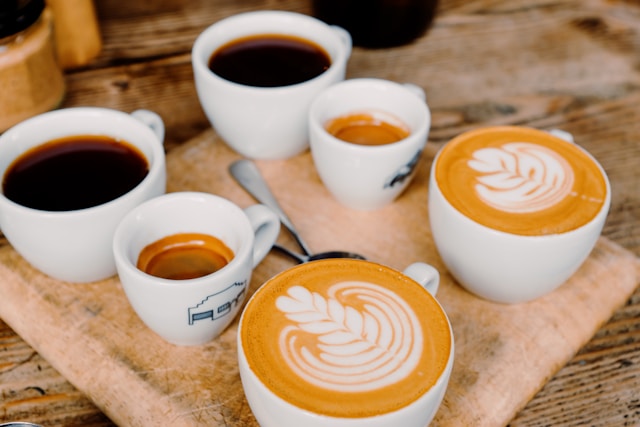
Assortment of drinks for Spanish drinks vocabulary lesson

Spanish Drinks Vocabulary

Start with the most common words, then expand your knowledge with intermediate and advanced vocabulary.

Beginner (A1)

  • water el agua
  • coffee el café
  • tea el té
  • milk la leche
  • juice el zumo
  • orange juice el zumo de naranja
  • soft drink el refresco
  • beer la cerveza
  • wine el vino
  • hot chocolate el chocolate caliente
  • lemonade la limonada
  • smoothie el batido

Elementary (A2)

  • mineral water el agua mineral
  • sparkling water el agua con gas
  • coconut water el agua de coco
  • iced tea el té helado
  • iced coffee el café helado
  • cappuccino el capuchino
  • espresso el café expreso
  • milkshake el batido
  • energy drink la bebida energética
  • sangria la sangría

Intermediate & Advanced (B1-C1)

  • cocktail el cóctel
  • whiskey el whisky
  • rum el ron
  • vodka el vodka
  • gin la ginebra
  • tequila el tequila
  • cider la sidra
  • herbal tea la infusión
  • green tea el té verde
  • decaffeinated coffee el café descafeinado

Practice What You've Learned

Review your Spanish drinks vocabulary and test your knowledge with interactive practice.

Ready to take the quiz?

Put your new drinks vocabulary into practice and see how many words you can remember.

Take the quiz

Practice with flashcards

Review Spanish drinks vocabulary and strengthen your memory with interactive flashcards.

Open flashcards

Example Sentences

In the context of a market. With highlighted verbs and adjectives.

Beginner & Elementary (A1-A2)

Café and restaurant interactions using A1/A2 drink vocabulary.

  • Yo quiero un café con leche, por favor. I want a coffee with milk, please.
  • ¿Tiene zumo de naranja? Do you have orange juice?
  • Voy a tomar una cerveza. I am going to have a beer.
  • ¿Quieres té o café? Do you want tea or coffee?
  • El camarero trae agua mineral. The waiter brings mineral water.
  • La cerveza está fría. The beer is cold.
  • El zumo de naranja es natural. The orange juice is fresh.
  • El café está caliente. The coffee is hot.
  • El batido tiene un sabor dulce. The smoothie has a sweet flavor.
  • El chocolate caliente está delicioso. The hot chocolate is delicious.

Intermediate & Advanced (B1-C1)

Natural café, bar, and restaurant conversations using B1+ drink vocabulary.

  • Me gustaría probar un cóctel de la casa. I would like to try a house cocktail.
  • El restaurante sirve té verde. The restaurant serves green tea.
  • Voy a pedir un whisky. I am going to order a whisky.
  • El camarero preparó un tequila. The waiter prepared a tequila.
  • Prefiero un café descafeinado después de cenar. I prefer a decaffeinated coffee after dinner.
  • El vino tinto es excelente. The red wine is excellent.
  • La cerveza artesanal es popular. Craft beer is popular.
  • La sidra española es tradicional. Spanish cider is traditional.
  • La ginebra tiene un sabor fuerte. Gin has a strong flavor.
  • La infusión de hierbas es relajante. The herbal tea is relaxing.

Frequently Asked Questions

Essential tips on regional word uses, ordering drinks, weight expressions, and grammar rules.

Spanish cafés have many traditional drinks, but these are some of the most common everyday orders you will hear:

  • Café: Coffee. In Spain, un café usually means a small black coffee (espresso-style).
  • Café con leche: Coffee with milk, commonly ordered at breakfast.
  • Té: Tea, usually served hot with optional lemon or milk.
  • Zumo de naranja: Fresh orange juice, especially common at breakfast.
  • Chocolate caliente: Thick hot chocolate, often served with churros or pastries.

Drinks are usually ordered by glass, bottle, can, or liter. These expressions are useful in cafés, restaurants, and supermarkets:

  • Un vaso de... (A glass of...) — Un vaso de agua = A glass of water.
  • Una taza de... (A cup of...) — Una taza de café = A cup of coffee.
  • Una botella de... (A bottle of...) — Una botella de agua = A bottle of water.
  • Una lata de... (A can of...) — Una lata de refresco = A can of soda.
  • Un litro de... (A liter of...) — Un litro de leche = A liter of milk.
  • Medio litro de... (Half a liter of...) — Common for water, beer, and other drinks.
  • Una jarra de... (A pitcher/jug of...) — Used for beer, water, or sangria.

Some drink words change depending on the Spanish-speaking country. The main differences you will encounter are:

  • Juice: Zumo is common in Spain, while jugo is used in most of Latin America.
  • Soft drink: Refresco is widely understood, while gaseosa is common in parts of South America and soda is used in some countries.
  • Straw: Pajita is common in Spain, while popote, pitillo, or pajilla are used in different Latin American countries.
  • Beer: Cerveza is universal, but casual names like caña (Spain) may appear when ordering draft beer.
  • Coffee with milk: Café con leche is understood everywhere, although coffee styles and preparation vary by country.

When ordering drinks in cafés, restaurants, and bars, these polite expressions will help you sound natural:

  • Quisiera... (I would like...) — A polite way to order. Example: Quisiera un café, por favor.
  • Me gustaría... (I would like...) — A more formal expression. Example: Me gustaría un zumo de naranja.
  • Para mí... (For me...) — Common when ordering with other people. Example: Para mí, una cerveza.
  • ¿Me puede traer...? (Can you bring me...?) — Useful when asking a waiter. Example: ¿Me puede traer un vaso de agua?
  • Póngame... (Give me...) — Common in Spain when ordering casually. Example: Póngame un café, por favor.

These adjectives help you describe the taste, temperature, and quality of drinks in everyday conversations:

  • Caliente: Hot — El café está caliente. (The coffee is hot.)
  • Frío/a: Cold — El agua está fría. (The water is cold.)
  • Dulce: Sweet — Este zumo es muy dulce. (This juice is very sweet.)
  • Amargo/a: Bitter — El café está un poco amargo. (The coffee is a little bitter.)
  • Ácido/a: Sour or acidic — El zumo de limón es ácido. (Lemon juice is sour.)
  • Delicioso/a: Delicious — Este batido está delicioso. (This smoothie is delicious.)
  • Fresco/a: Fresh — El zumo está muy fresco. (The juice is very fresh.)
  • Fuerte: Strong — Este café es muy fuerte. (This coffee is very strong.)

These expressions help you request drinks at the temperature you prefer:

  • Caliente: Hot — café caliente (hot coffee).
  • Frío/a: Cold — agua fría (cold water).
  • Helado/a: Iced — té helado (iced tea).
  • Con hielo: With ice — refresco con hielo (soda with ice).
  • Sin hielo: Without ice.
  • Del tiempo: Room temperature — commonly used for water in Spain.

Explore All Spanish Lessons

Browse all Spanish vocabulary lessons, quizzes, grammar guides, and learning resources.

Browse All Lessons

Photo by Jordan Ryskamp on Unsplash